


Experiential travel is a way of traveling that puts the person and their active participation at the center, rather than the destination itself.
Those who choose this form of travel don’t just observe a place—they experience it deeply, coming into direct contact with its culture, its traditions, and the people who live there. The term comes from the Latin word experiri, meaning to experience, and describes the desire to turn every moment of a trip into an authentic and memorable memory.
In recent years this approach has become one of the most significant trends in the industry, because it answers a growing need for meaning, connection, and quality time.
What Experiential Travel Means
To understand the meaning of experiential tourism, it helps to start with what sets it apart: the focus is no longer on the place, but on the person who moves through it.
The traveler stops being a passive spectator and becomes the active protagonist of their own vacation, personally involved in activities that engage all the senses. What matters is not the number of monuments visited or boxes checked off a list, but the quality of the time spent and what remains of it.
This way of traveling is often also called conscious tourism or responsible tourism, because it teaches you to respect the environment, to tune in to the rhythm of each place, and to build a genuine bond with the communities that live there.
The stated goal is to collect unique memories that leave a lasting mark. In this sense, experiential tourism isn’t just a commercial format but a true travel philosophy, rooted in emotion, authenticity, and connection.
Every experience—from tasting a wine to walking a trail—becomes a way to truly get to know a place and to bring home something that goes beyond a photograph.
The Difference from Mass Tourism
The clearest way to define experiential travel is to compare it with mass tourism, still the dominant model today. Mass tourism is built on quick movement, standardized itineraries, and visits to the most famous sights, often experienced in a superficial, rushed way.
Experiential travel turns this logic on its head: it invites you to slow down, to linger longer, to connect with the land and its people. This doesn’t mean giving up iconic places, which remain part of the journey, but experiencing them more deeply, taking in even the less touristy, more authentic aspects.
The difference, in essence, isn’t about the destination but about the way of seeing it as you move through it.
Experiential Travel, Slow Tourism, and Sustainable Tourism
Several terms revolve around experiential travel and are often confused with one another.
Slow tourism shares its spirit and encourages you to experience places calmly, devoting time to each stop, but it places particular emphasis on the pace of the journey.
Sustainable tourism, on the other hand, is mainly about protecting the environment, culture, and local traditions, and many authentic experiences embrace it naturally.
There is also roots tourism, for those who return to their family’s places of origin to rediscover their history. These approaches don’t stand in opposition to experiential travel; they interweave with it, representing different shades of the same search for authenticity and meaning.

Where Experiential Travel Comes From
Understanding where experiential travel comes from helps explain why it is so widespread today. Its roots lie in a profound shift in how we think about travel, one that has unfolded over the past few decades.
As prosperity has grown and travel has become easier, traveling has stopped being a rare event and turned into a habit for an ever-growing number of people.
This very spread has pushed many travelers to look for something different from the standard vacation: no longer just relaxation or entertainment, but experiences that enrich, teach, and move us. It is in this context that the idea of experience as the true value of travel takes hold.
Experiential travel thus emerges from the meeting of a personal need—to give meaning to one’s time—and a cultural evolution that has shifted attention from owning to living.
We no longer travel just to see a place, but to become part of it, if only for a few days. This seemingly simple shift has reshaped the entire tourism industry and given rise to a new way of thinking about vacations.
From Experiri to the Experience Economy
The word experience comes from the Latin experiri, meaning to try or experience—that is, to come into direct contact with a reality in order to truly know it.
From this ancient root comes a very current idea: the experience economy, according to which what people seek and are willing to value is no longer just a good or a service, but the lived experience that comes with it.
Applied to travel, this vision explains why an authentic activity today—such as taking part in a grape harvest or learning a craft technique—can be worth more than a simple guided tour.
Experiential travel is, ultimately, the translation of this principle into the world of vacations: it turns leisure time into an opportunity for growth and discovery.
A Growing Phenomenon: The Numbers in Italy and Worldwide
Experiential travel is not a passing fad but a rapidly expanding phenomenon. Various industry studies point to fast, steady growth in demand, both in Italy and internationally, with a significant increase in revenue tied to experiences.
The time travelers devote to each destination is growing as well: the average length of stay is increasing, and with it the money spent on authentic, memorable activities. In Italy in particular, the wealth of landscapes, villages, and culinary and artisan traditions offers ideal ground for this kind of offering.
Industry observers now identify several broad categories of experiences, from food and wine to nature, that reflect the richness and variety of our country’s tourism offering.

Examples of Experiential Travel
The examples of experiential travel are many and span very different fields, but they all share one trait: they ask the traveler to take part, not just to watch.
An authentic experience can come from a dish cooked with your own hands following a local recipe, from a walk along a scenic trail, from meeting an artisan who carries on an ancient craft, or from sharing a day with the local community.
What matters is direct involvement and the relationship you build with the place. To navigate the many possibilities, it helps to group the examples into a few broad families, which often overlap within a single trip.
Food and wine is perhaps the most immediate and beloved area, but alongside it you’ll find activities in nature, craftsmanship, culture, and the discovery of traditions. Each family answers a different curiosity, yet all share the same promise: to turn a vacation into a living experience that leaves an authentic, personal memory.
Food and Wine, Tastings, and Cooking Classes

Food and wine tourism is probably the most common example of experiential travel, because food and wine tell the identity of a place better than any guidebook.
This family includes winery tastings, expert-led vineyard visits, taking part in the grape harvest, and cooking classes, where you learn to prepare local dishes—sometimes after gathering the ingredients yourself.
In Chianti, a region famous for its wines and its farming tradition, these experiences take on special meaning: walking among the vine rows, tasting a wine in the very place it’s made, or discovering the secrets of a local recipe means truly entering the soul of a place.
Food, in this sense, becomes a universal language, able to tell the history, climate, and people of a place in a way no description could match—and to turn a meal into a moment of genuine discovery.

Nature, Hiking, and Outdoor Activities
Another major family of experiences is tied to nature and outdoor activities.
Hiking is perhaps the purest form of outdoor experiential travel: walking lets you discover a place slowly, notice its details, and settle into its rhythms.
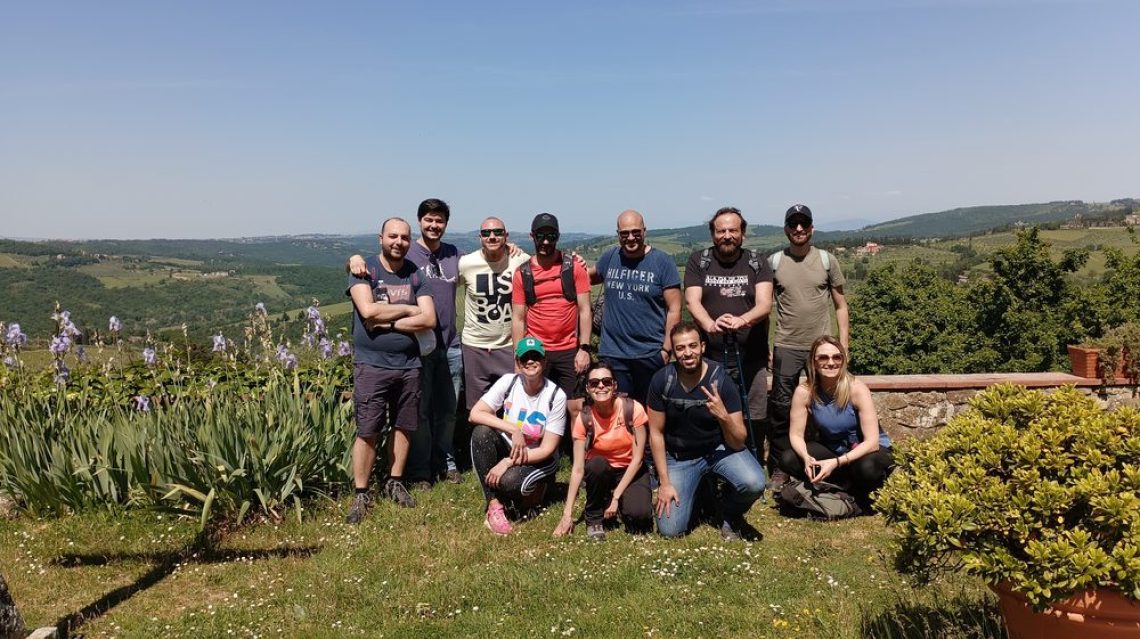
Alongside traditional hiking are long-distance walking routes, urban hiking through historic villages, cycling tourism, and excursions through woods, vineyards, and hills. These activities combine physical well-being with the discovery of the landscape and foster an authentic connection with the environment. A group hike on foot, led by someone who knows the area, becomes a way to experience nature deeply and to share the adventure with others.

Craftsmanship, Traditions, and Local Communities
Experiential travel finds one of its most authentic expressions in the encounter with craftsmanship, traditions, and local communities.
Taking part in a ceramics workshop, learning to work clay, watching an artisan at work, or joining a village festival are experiences no museum can replicate. In these moments the traveler is no longer just a guest but becomes part—if only briefly—of the daily life of a place.
It is precisely this relationship with people that turns a trip into an unforgettable memory. The artisan traditions of Chianti and Tuscany, handed down from generation to generation, offer many chances to experience this kind of connection, blending craft, history, and local culture.

How to Have an Authentic Experience and the Role of WeHike
Having clarified what experiential travel is and the forms it can take, the most concrete question remains: how do you actually have an authentic experience?
The difference between a simple tourist activity and a memorable experience often lies in the details, in the care with which it’s designed, and in the expertise of whoever leads it.
A well-crafted experience isn’t improvised: it grows from a deep knowledge of the land, from respect for the environment and communities, and from the ability to tell a place’s story and make the traveler feel part of it. That’s why the role of those who organize and guide is essential. Relying on an expert guide, choosing small groups, and favoring options that highlight authenticity turns a vacation into a chance for real discovery.
This is where outdoor agencies like WeHike come in, having made experiential travel their identity. Seeing how those who live the land every day work helps you understand, in practical terms, what sets an authentic experience apart from a simple attraction—and how to choose one wisely.
How to Choose the Right Experience
To recognize a quality experience, it helps to look at a few elements.
The first is the presence of a skilled guide who can tell the story of the place and ensure safety, especially in outdoor activities.
The second is group size: small groups foster a more authentic connection with places and people.
Respect for the environment and for local communities also matters, a sign of a truly responsible approach. Finally, the ability to customize the experience around your own interests makes the difference between a standard activity and a tailor-made memory. An authentic experience, in short, is recognized by attention to detail and the passion of those who offer it, more than by a simple list of activities.
WeHike: Experiential Travel in the Heart of Chianti, the Dolomites, and Lake Garda
WeHike interprets experiential travel as an authentic way of experiencing the land, starting from the heart of Chianti and extending to the Dolomites by way of Lake Garda.
Its offerings combine hiking with the discovery of local wine, nature, flavors, and craftsmanship, guiding travelers with certified environmental hiking guides who know every trail and every story.
From walks through the vineyards with tastings to artisan workshops, from organized weekends on Lake Garda to multi-day hiking trips in the Dolomites, every experience is designed to create a real bond with these places. This care in crafting each offering and attention to authenticity have earned recognition in the active tourism sector.
Having an experience with WeHike means turning a simple vacation into a story worth keeping, made of nature, traditions, and genuine encounters.

Experience the Journey, Don’t Just See It
Experiential travel is far more than a trend: it’s the sign of a different way of thinking about leisure, in which the value of a trip is no longer measured by the number of places visited but by the depth of what you’ve experienced.
Choosing this form of tourism means agreeing to slow down, to let yourself get involved, and to look at a place with fresh eyes, taking in its flavors, sounds, and stories.
It means, ultimately, coming home not just with photographs but with a wealth of emotions and encounters that’s hard to forget.
Whether it’s a tasting among the vineyards, a walk through the hills, or an artisan workshop, every authentic experience leaves a mark.
For those who want to discover Chianti and Italy’s most striking landscapes in the Dolomites or on Lake Garda this way, WeHike’s experiences and hiking trips offer a concrete starting point for turning a simple stay into an unforgettable memory.

Frequently Asked Questions About Experiential Travel
What is experiential travel?
Experiential travel is a form of travel that puts the person and their active participation at the center. It doesn’t just visit a place but lets you experience it firsthand through authentic activities—such as tastings, hiking, or artisan workshops—with the goal of creating a deep bond with the land and memorable moments.
What’s the difference between experiential travel and mass tourism?
Mass tourism favors quick movement and superficial visits to the most famous places. Experiential travel, by contrast, invites you to slow down and connect with the land and its communities. The difference isn’t about the destination but about how you experience it: from simple observation to direct involvement.
What are some examples of experiential travel?
Experiential tourism includes winery tastings, the grape harvest, cooking classes, hiking and walking routes, cycling tourism, craft workshops, and taking part in local traditions. Every example shares the traveler’s active participation and authentic contact with places, flavors, and people.
Why is experiential travel so popular?
The growth of experiential travel stems from a cultural shift: more and more people are looking for trips that enrich, teach, and move them, rather than simple standardized vacations. Attention has shifted from seeing to experiencing, and this need for authenticity and meaning has made experience the true value of travel.
Are experiential travel and slow tourism the same thing?
Not exactly. Slow tourism shares the spirit of experiential travel but emphasizes pace, inviting you to linger longer and experience places calmly. Experiential travel is a broader concept, centered on active participation. The two approaches often overlap but aren’t the same.
How do you organize an experiential travel experience?
To have an authentic experience, it’s best to rely on people who truly know the area. What matters is the presence of an expert guide, small groups, respect for the environment, and the ability to customize the activity. Specialized organizations like WeHike—in Chianti, the Dolomites, or on Lake Garda—design tailor-made experiences that combine hiking, nature, flavors, and local traditions.